



Your Nervous System is….Intelligent
What does it mean when I say that your nervous system is intelligent? What even is the nervous system? Why is this entire publication hinging on the concept of nervous system intelligence?
These are questions that I could answer from so many perspectives, which is part of why I love this work—it’s dynamic, it’s versatile. It’s at once very much based in biology and neuroscience, and also based in the mysteries of quantum mechanics and more philosophical perspectives.
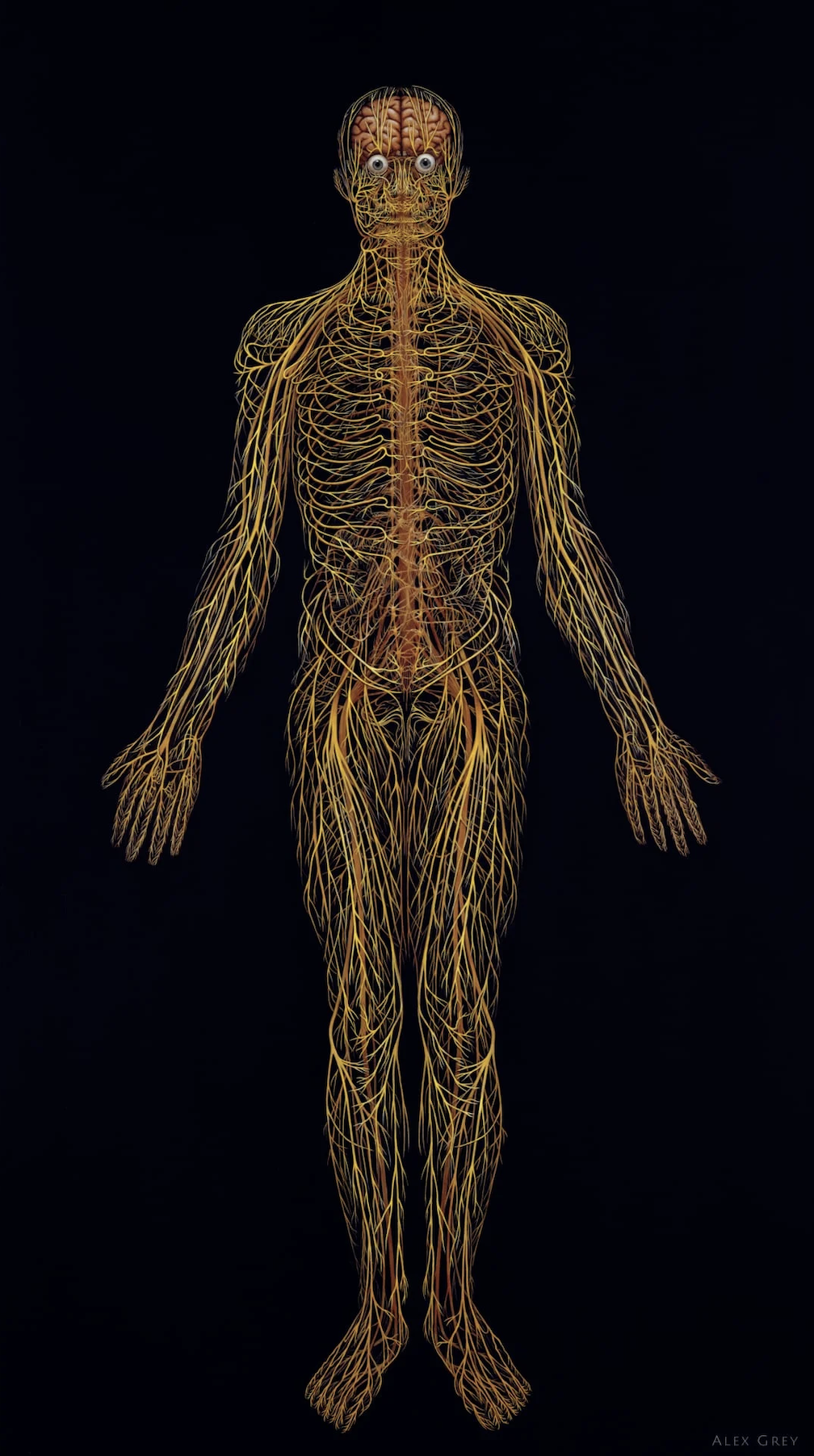
One answer is that the nervous system is the part of our body that governs our survival responses. Staying alive as a human is sometimes difficult, and was much more difficult for our ancient human ancestors. We are wired for our species to keep living and evolving. This is a core part of the perspective of working with the model of Somatic Experiencing—we have a strong drive to do whatever we can to survive.
If we stayed quiet as a child when a parent was cruel to us, we see the drive to survive, to stay in the family system, lest we be kicked out and die. If we have a delayed reaction to something very scary that happened to us like a bad car accident, again we see our drive to survive, to not live with the horror of what happened to us just yet, to be able to make it out without being preoccupied by horror, make it to safety. If someone startles us and we immediately put our fists up to fight, this is also our drive to survive coming through.
I’m currently assisting Somatic Experiencing trainings with Mahshid Hager, who has a great way to communicate that the nervous system will do whatever it needs to do to survive, even if that means something counter-intuitive, like shutting down or fawning or starting a fight: “It’s a feature, not a bug.” Just like a computer operating system, the response to dissociate or freeze during a stressful encounter is a FEATURE of our nervous system functioning the best it can given the circumstances, not a misfire.
It’s important to me to attempt to honor our nervous system responses. Even if we have carried shame for what we did or did not do, we might learn to honor that our intelligent nervous system responds in whatever way helps us live through something. If we live, the response was successful. If we honor our nervous system responses, maybe we can experience less shame and normalize behaviors that might seem counterintuitive.
Because a response was the best, most intelligent response in the past does not mean that is still true—things change!
For me, my intelligent response as a kid was crying. When I was screamed at by my parent, I couldn’t fight back or run away. I showed my fear and displeasure with my tears. It didn’t change the yelling, or rarely—mostly it would make things worse. But this was the best I had in my limited kid toolbox. So even as an adult, when feelings would get too heated or an argument would be brewing, I would cry. I did not come to work on my nervous system to stop crying. But as I worked on my nervous system, crying began to change. I could say things or have heated conversations without tears. I could choose to lean into tears or choose to lean away. I grew more options than my kid self’s best option. My intelligent nervous system techniques could update and adapt to the present.
If we can honor our intelligent nervous system, maybe we can thank our system for all it has done to get us to THIS moment in time when we could explore different ways of surviving than we did in the past. Maybe we no longer need to stay silent in conflict, and can learn to speak our likes and dislikes. Maybe we no longer need to keep the terror of that car accident at bay and can, little by little, absorb what happened. Maybe we can put down our fists to fight: the startling moment has passed, we are safe.
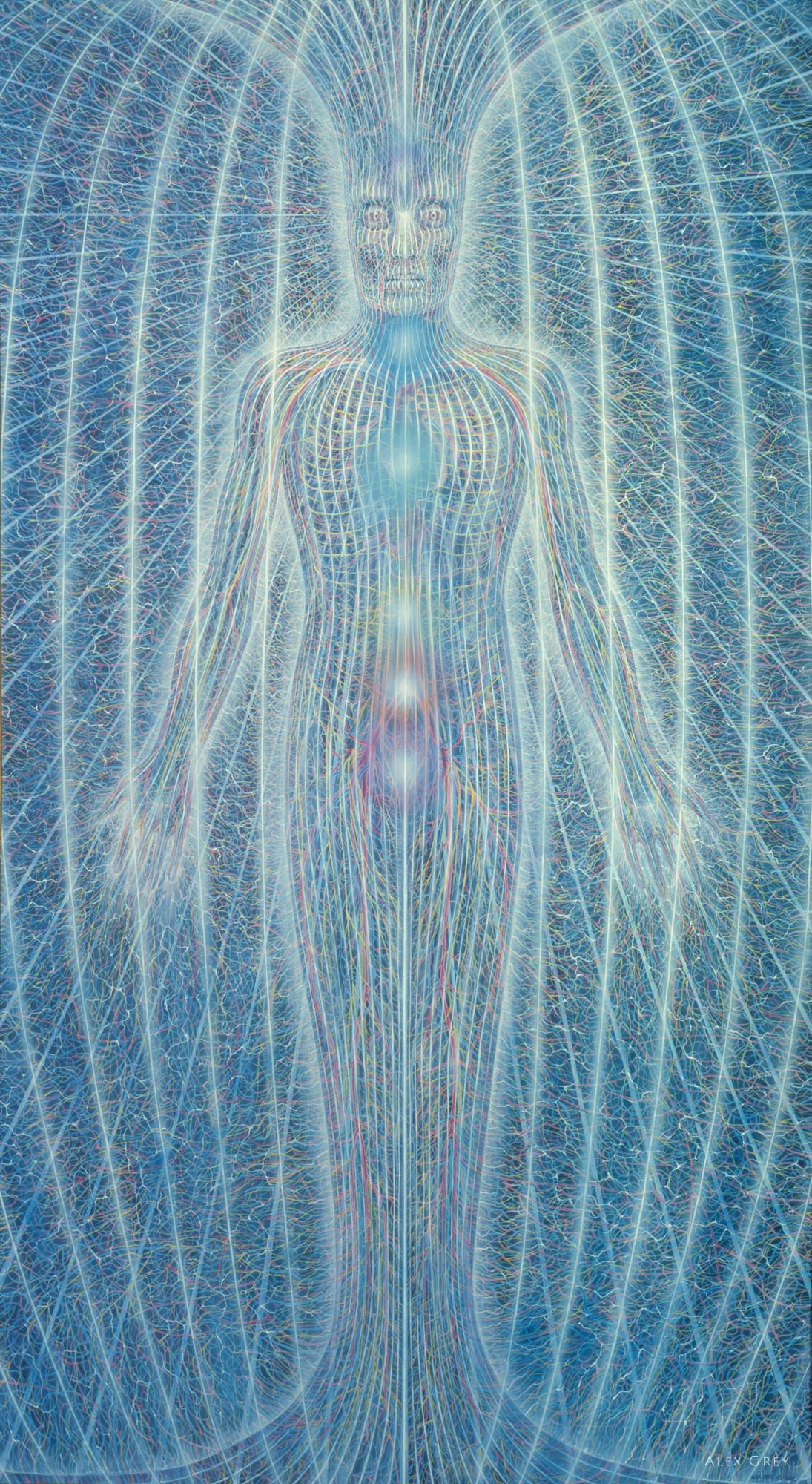
A fundamental piece of inviting change is honoring our intelligent nervous system. We are not broken or dysregulated because we are having a certain response. The response may be the best one we have based on our history. What is truly magical and exciting to me is that we are neuroplastic beings. Our brains can drastically change, we are not fixed. I’ve found the model of Somatic Experiencing to offer incredible tools for transforming nervous system patterns that no longer serve into current, adaptive methods for taking on life.
There’s much more I want to share about the biology and neuroscience of the nervous system, the polyvagal theory, and my lived experiences of change. First, thank you, intelligent nervous system. You’ve gotten me this far. Let’s keep going.
Thanks for reading Your Intelligent Nervous System! Subscribe for free to receive new posts and support my work.

Jaye Fishel, SEP, CMT, is a somatic therapist based in Echo Park, Los Angeles.
Since 2021, Jaye has specialized in nervous system regulation and Craniosacral Therapy, helping individuals who feel disconnected from their bodies rebuild their capacity for authentic boundary-setting and deep self-connection. Through dedicated 1:1 sessions and workshops, Jaye supports you in listening to your body, articulating your needs without guilt, and safely expanding your capacity for pleasure, rest, and relational clarity.