



What is Craniosacral Therapy? What is Somatic Touch?
Curious about receiving touch work but don’t know what to expect? Read on.
Craniosacral therapy is practice of a light touch bodywork that comes from Osteopathy. It can be deeply therapeutic for chronic pain, long-held tension patterns, and general well-being.
I also incorporate Somatic Touch into my work, a way of approaching deep nervous system healing developed by Kathy Kain after forty years as a touch-specialized Somatic Experiencing Practitioner. This work weaves seamlessly with Craniosacral therapy to support individuals recovering from trauma, chronic stress, developmental wounds, and challenges related to emotional regulation.
What happens in a session involving Craniosacral therapy and Somatic Touch?
If it is our first session, we will likely have a short discussion sitting in chairs about your goals or anything you want me to know about you and how you’re feeling.
You’ll lay down on a comfortable treatment table, fully clothed. I always check in to see if there are any places you don’t want to receive touch or particularly want touch support. As always, your “yes” and your “no” are important guides for our work together.
I will place my hands in specific places on your body. Some holds might last for just a few seconds, while other holds may last several minutes or more. Typical holds include placing hands under your ankles or on your feet, at the hips and pelvis, along the back, the neck, and cradling around the head.
We may talk as we go, noticing sensations, images, memories, thoughts, or impulses to move. We may have extended times of silence, allowing your system to process without dialogue. We only go toward and stay with things that are comfortable enough, we never push through something that is overwhelming to be with. Some people have the experience of “dropping in” to a deeply relaxing state, where healing can happen without cognition. Other times, the work might be more energizing or enlivening, helping life force to flow and get noticed. There’s no agenda for what is supposed to happen, we let the work be emergent, free, and aligned with your goals without being prescriptive.
At the end of the session, you’ll have some time to transition toward closing, taking your time to get up, drink some water, and share anything you want to feel complete.
What’s happening for the practitioner during a Craniosacral session?
Many people ask what I am doing or tracking during the craniosacral session. First and foremost, I’m focusing my attention on you, your body, and whatever shows up. As my teacher, Gary Strauss emphasized, how you are is just as important as what you do. So, I intend to show up relaxed, curious, and responsive to you.
When I place my hands on your body, I’m assessing several things. I’m tracking the cranial rhythm, the fluid shift of your cerebral spinal fluid as it moves through your brain cavity, your spinal column, and out into your bloodstream. I’m tracking any localized changes in the tissues, like temperature, movement, and pulsation.
And I’m holding my intention to honor and serve your innate intelligence. I strongly believe that your innate intelligence knows what to do to move your system toward expansion and healing. I am there to help set the conditions for those shifts to happen. So, I’m negotiating the right balance of inviting the conditions for healing that are also comfortable enough and not too challenging. This is a way to say, part of what I’m doing is trusting that your body has innate healing wisdom.
I tend to be a visual person so often I get images that are rather archetypal or abstract that I take as general communication about the work we are doing. For instance, I typically get an image of some type of liquid oozing that seems to correspond to releasing a held pattern.
Sometimes people ask me what I notice during our session, and I am happy to share.
Who can benefit from Craniosacral Therapy and Somatic Touch?
I find craniosacral therapy and somatic touch to be wonderful methods for deepening the possibilities for change and self discovery that can happen with Somatic Experiencing. Touch work can be appropriate for most anyone.
People with pain or chronic pain can benefit.
People stuck in their thoughts and mind can benefit.
People who crave non-verbal support can benefit.
People who get lost thinking of the future or the past but want to be more in touch with the present moment can benefit.
People who want more connection to their body can benefit.
People who just want to let go, receive support, and relax can benefit.
There are many scientific studies on the benefits of Craniosacral therapy. One meta-analysis of studies on Craniosacral therapy for pain found, “significant and robust effects of CST on pain and function, which are not exclusively explainable by placebo responses or effects due to non-specific treatment mechanisms.”* This does not surprise me at all, since I get feedback on significant and robust effects of the work regularly.
If you still have questions if this approach is right for you, reach out! I am happy to answer any questions you have. And if you’re ready to experience being held in support, I’m here for you. Schedule a session in Los Angeles.
* Haller H, Lauche R, Sundberg T, Dobos G, Cramer H. Craniosacral therapy for chronic pain: a systematic review and meta-analysis of randomized controlled trials. BMC Musculoskelet Disord. 2019 Dec 31;21(1):1. doi: 10.1186/s12891-019-3017-y. PMID: 31892357; PMCID: PMC6937867.
https://pmc.ncbi.nlm.nih.gov/articles/PMC6937867/
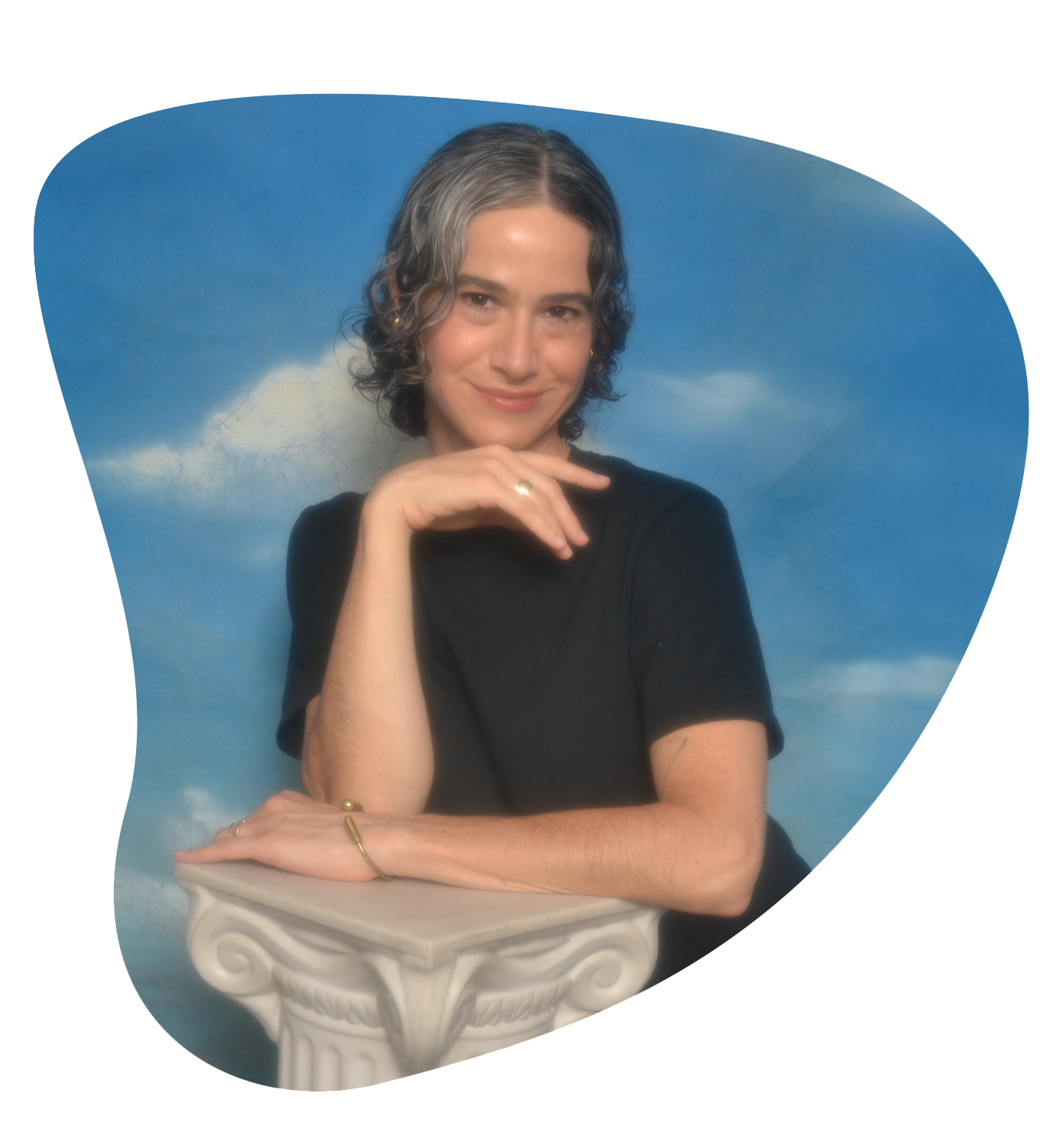
Jaye Fishel, SEP, CMT, is a somatic therapist based in Echo Park, Los Angeles.
Since 2021, Jaye has specialized in nervous system regulation and Craniosacral Therapy, helping individuals who feel disconnected from their bodies rebuild their capacity for authentic boundary-setting and deep self-connection. Through dedicated 1:1 sessions and workshops, Jaye supports you in listening to your body, articulating your needs without guilt, and safely expanding your capacity for pleasure, rest, and relational clarity.