




Look at that flower!
An often misunderstood part of trauma resolution is learning to lean into PLEASURE.

Where will your nervous system expand INTO once bits of trauma energy are metabolized?
For those of us who encountered trauma young, our nervous system is so good at being vigilant, alert, wary of the next terrible thing to come our way because that’s what happened back then.
What about now?
Now things are pretty good. We survived childhood! We made it out into the world of personal choice. But does our nervous system act like this is true? Not really. It’s stuck believing we still need to be as vigilant as ever that bad things will happen.
This is where building capacity for things we like, for pleasure, for fun comes into…play.
We often see the degree to which someone can embody and experience pleasure has a direct relationship in the degree to which someone can experience discomfort.
In order to build our tolerance for discomfort—which is precisely the work of nervous system transformation—we must also build our tolerance for pleasure.
Part of this is about slowing down.
Just slowing down is pleasurable for many of us, especially if we’re usually ruled by anxiety that keeps us going fast fast faster. What if we have a moment to just…
slow…
down.
Take in our current environment, maybe a room we like or a bit of nature in our surroundings like a tree or a mountain (I love LA, we get both.)
When I started my journey as an SE client back in 2015, having a space to simply BE and observe myself felt so good, without other demands to DO anything. What a relief! So for some of us, time and space to just be can help us reorient toward pleasant feelings. What a joy to relish in this goodness, right now.
For some of us, we need more active tools to take in pleasure. Taking in the scent of a beloved essential oil or of a flower can be a powerful way to connect to pleasant feelings, as the olfactory sense is neurologically one of our fastest receptors.
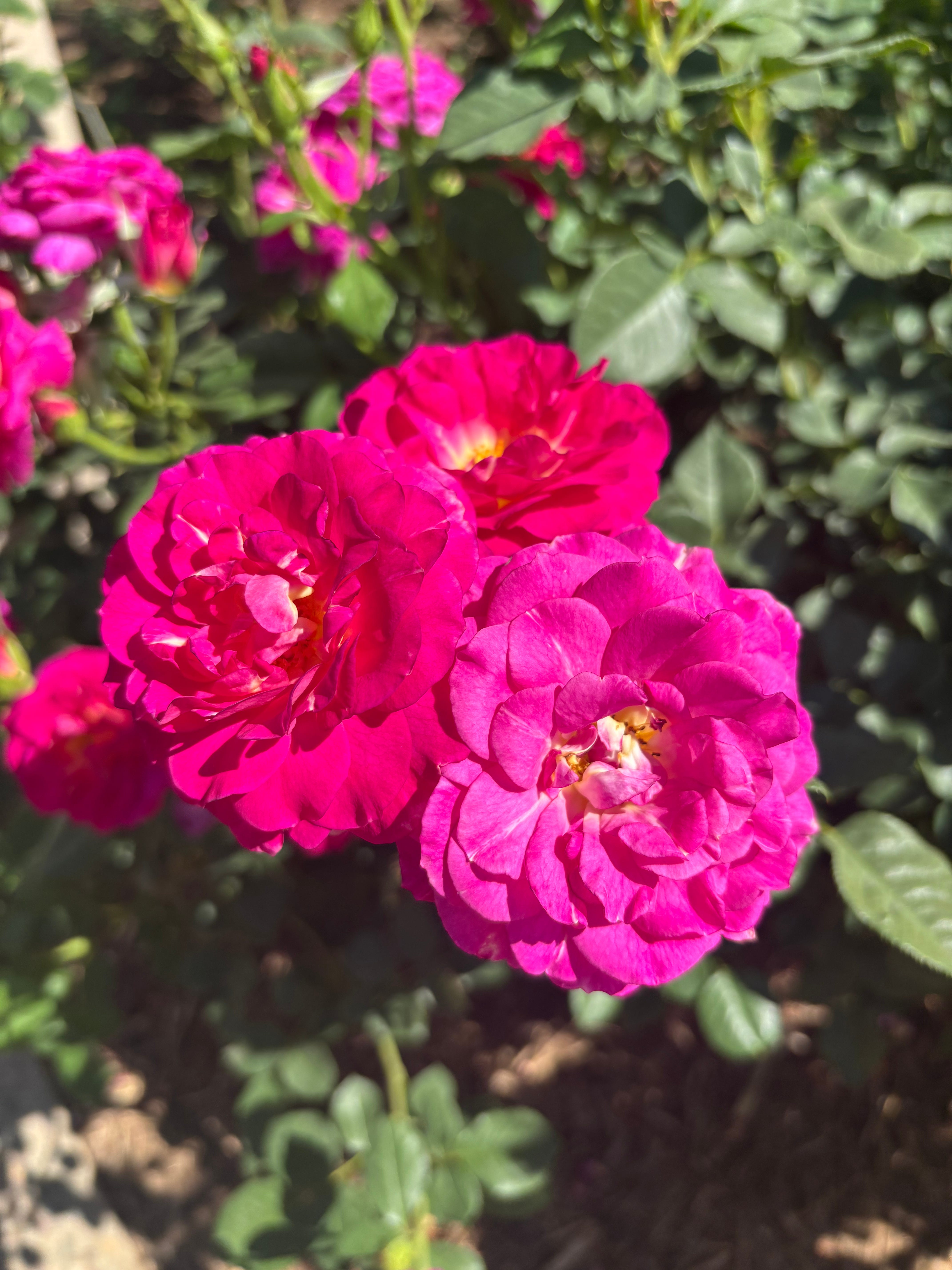
We might derive pleasure from connecting with others, doing activities with friends or family, or even taking the dog for a walk and connecting to a sweet animal. We might like to take some time alone, listening to music or reading quietly. Perhaps we like moving, dancing, taking a yoga class, hiking, deriving pleasure from letting our body express or work out some energy, feeling our strength. Maybe we like to create and derive pleasure from the process or product of making things.
When you start to deliberately orient toward pleasure, maybe pleasure will become more apparent—the beautiful flowers will pull focus instead of your thoughts about what to do about some problem. Over time, we might be more oriented toward pleasure as a habit, and experience life as full of things we like. Imagine that?
This is totally different from “toxic positivity” or “good vibes only”. This is a conscious choice to orient toward goodness while also being able to return to issues or things we do not like. It’s flexing the pleasure muscle to build a strong orientation toward the things we like, not just a coping strategy to avoid things we don’t like.
When I take in the goodness of a beautiful flower—the delicate color, the soft soft feel, the way it perks up on the branch, the lovely smell— I can feel its effects in my body. I feel my eyes widen in awe. I feel relaxed and romanticized by the smell. I feel energized and at ease. This is a version of pleasure in my body—the pleasure of a peak rose.
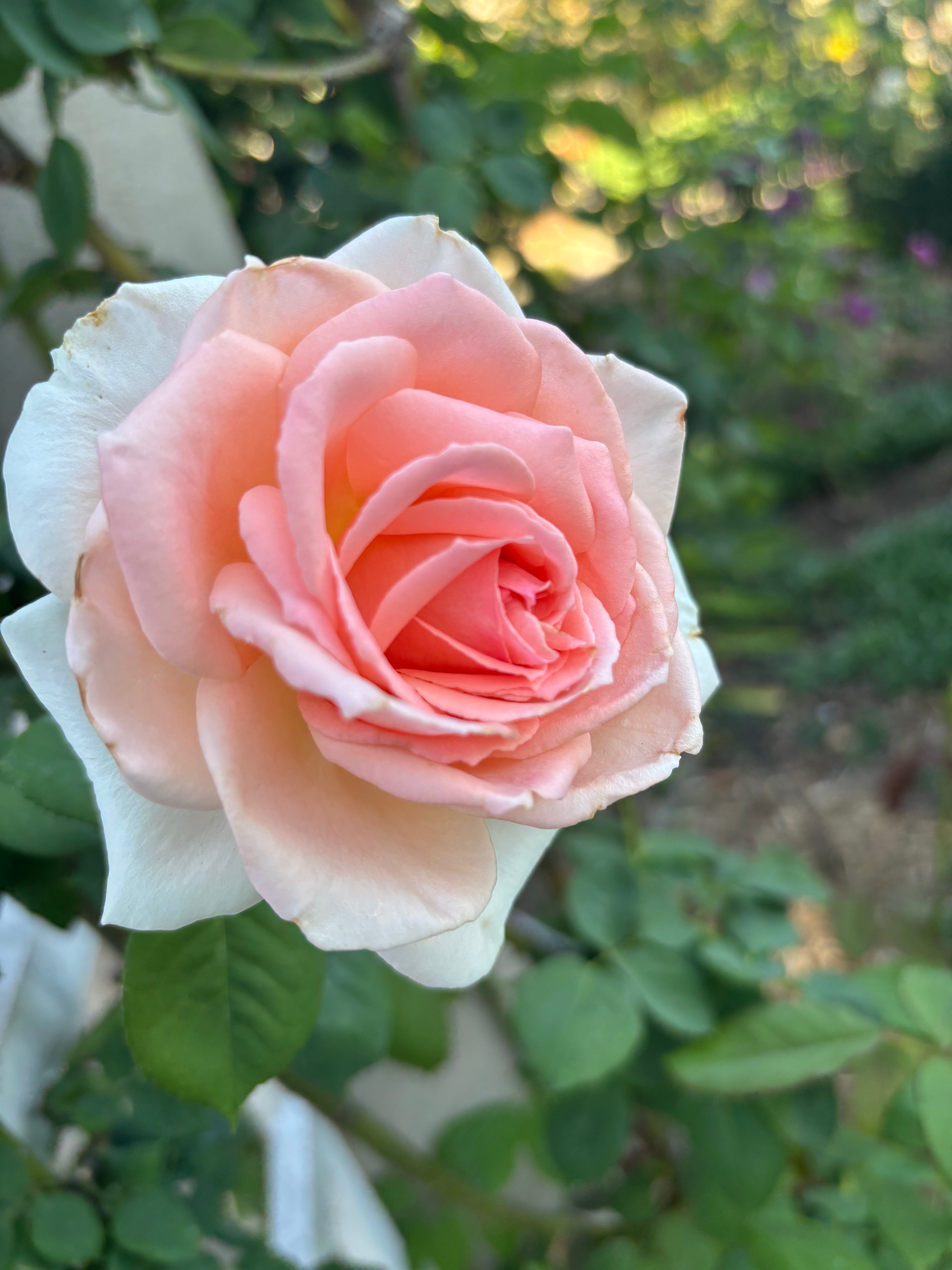
If I were then to turn to something challenging—say a loss I am grieving, I have the soft cushion of the energized and easeful space inside me that was just activated by the rose. I can perhaps take on this grief with a bit more ease as well. Maybe I stay with the grief, and follow what it needs. I have more capacity for the grief after being with the pleasant softness of the flower.
Many years ago, I had an intuitive healing session with Dori Midnight who gave me sage advice I still keep with me. She instructed me to get some cut flowers, sit with the flowers, and take in their beauty. She called it beauty therapy—I needed beauty therapy! I needed to be with Venusian pleasures of sexy flowers. Maybe this is why flowers are one of my go-to examples when orienting outward pleasure. Maybe it’s because I live in LA and flowers abound year round. I’m in love with the current wisteria blooming season—purple fantasy! Maybe it’s because flowers are a true gift of nature—the beauty of a cycle at its peak.
Maybe you can guess I’ve included many of my pleasures in this writing. One more: It truly brings me pleasure to bring others into this practice of orienting to pleasure.
If your intelligent nervous system wants guidance and practice in experiencing pleasant feelings, I’m here to support you.
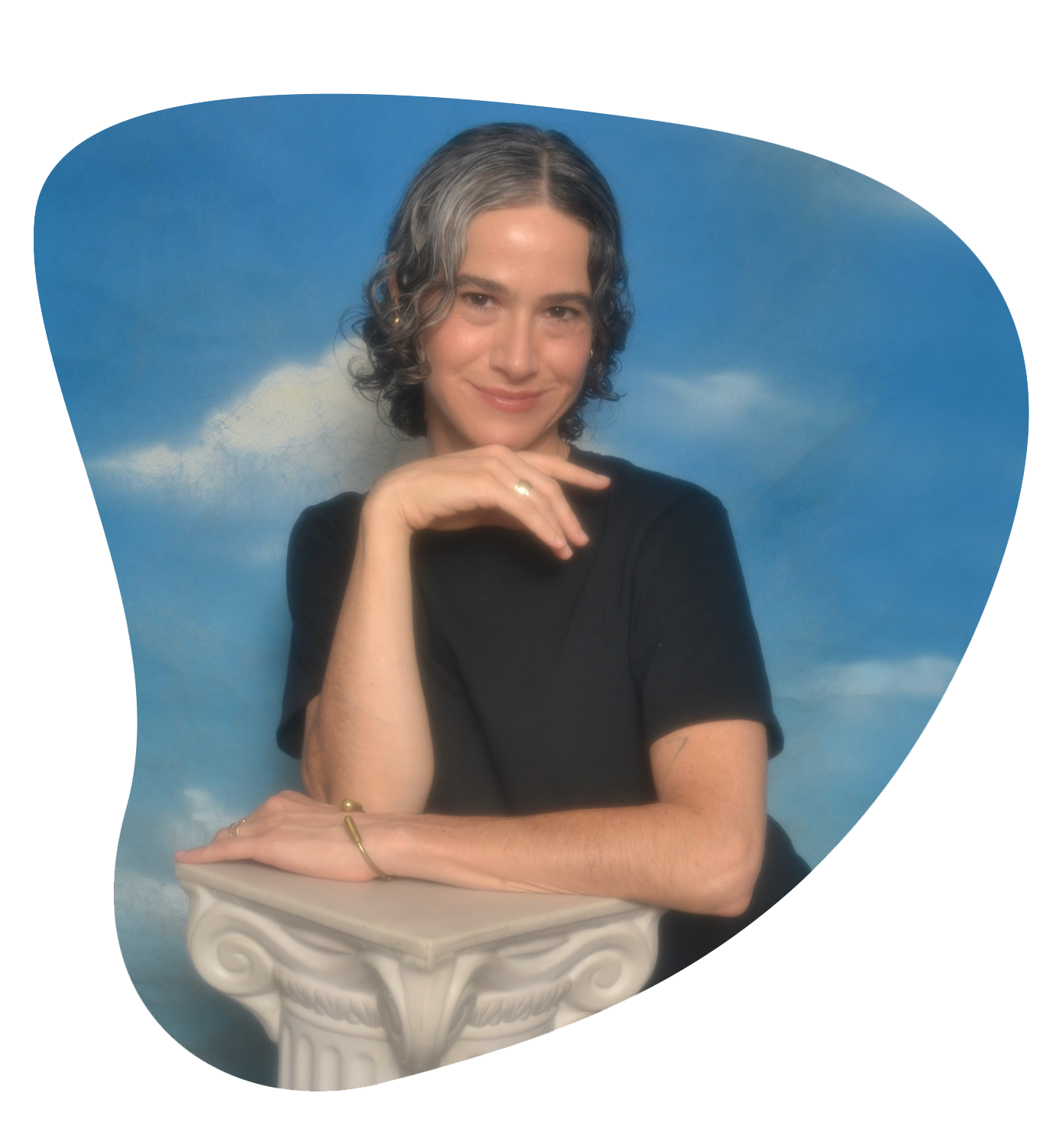
Jaye Fishel, SEP, CMT, is a somatic therapist based in Echo Park, Los Angeles.
Since 2021, Jaye has specialized in nervous system regulation and Craniosacral Therapy, helping individuals who feel disconnected from their bodies rebuild their capacity for authentic boundary-setting and deep self-connection. Through dedicated 1:1 sessions and workshops, Jaye supports you in listening to your body, articulating your needs without guilt, and safely expanding your capacity for pleasure, rest, and relational clarity.